Gardener Temple: Recycling and Sustainability for Green Rubbish Gardens
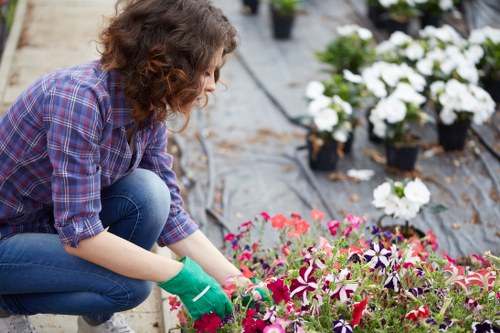 At Gardener Temple we are committed to creating an eco-friendly waste disposal area and a thriving sustainable rubbish gardening area that supports circular resource use across neighbourhoods. Our approach combines practical site design, community partnerships and a clear performance target: we aim to achieve a 70% recycling percentage target across all services by 2030. This ambitious goal drives how we design green rubbish gardens, operate our low-carbon fleet and partner with local transfer stations and charities.
We promote a site model where compost bays, separated recycling bays and re-use shelves sit beside neat storage for bulky items and green waste. By creating a purpose-built eco waste disposal area, Gardener Temple supports borough-level initiatives to separate food, glass, paper, plastic and residual waste — mirroring many local authorities’ waste separation approach to curb contamination and improve recovery rates.
![A woman with blonde hair, dressed in a blue checkered shirt and wearing green gardening gloves, is standing in a garden with a variety of green foliage and plants. She is tending to a shrub or hedge, holding a branch with her left hand while gently inspecting or pruning it with her right hand. The garden features a well-maintained lawn, and in the background, there is a garden patio or decking area with outdoor furniture, suggesting a domestic outdoor space typical of a residential garden near [TOWN] or within the [POSTCODE] area. The scene is lit by natural daylight, with soft shadows indicating a partly cloudy or sunny day, emphasizing the healthy, lush greenery and natural tones of the garden environment. This setting reflects gardening and outdoor maintenance activities that Gardener Temple might offer, focusing on sustainable and environmentally friendly gardening practices, as highlighted on their Recycling and Sustainability page.](/pub/_photos/gardening/f1400668160.jpg) Our sustainable rubbish gardening area is designed to handle diverse recycling activity relevant to the area: kerbside-style mixed recycling sorting, dedicated food-waste composting, garden waste shredding for mulches and a small-scale reuse hub for furniture and tools. We work with local councils that require residents to separate dry recyclables, food scraps and garden waste into distinct streams; our site is configured to make this easy and intuitive for households and contractors alike.
Our sustainable rubbish gardening area is designed to handle diverse recycling activity relevant to the area: kerbside-style mixed recycling sorting, dedicated food-waste composting, garden waste shredding for mulches and a small-scale reuse hub for furniture and tools. We work with local councils that require residents to separate dry recyclables, food scraps and garden waste into distinct streams; our site is configured to make this easy and intuitive for households and contractors alike.
Gardener Temple operates with an integrated logistics plan that includes scheduled trips to nearby transfer stations. We use several trusted local transfer stations — including Northside Transfer Station, Riverside Transfer Depot and Eastbrook Transfer Station — to move materials efficiently to authorised processors. These transfer stations allow us to consolidate loads, reduce road miles and ensure that materials are routed to the correct recycling and composting facilities rather than to landfill.
 Our transport strategy centers on low-carbon vans and careful route planning. The fleet comprises electric cargo vans, plug-in hybrids and low-emission diesel alternatives for longer haul requirements, which together reduce the carbon intensity of collections and drop-offs. We monitor vehicle kilometres, idling time and load factors to lower emissions and support our sustainable waste gardening operations with real-world carbon savings.
Partnerships are at the heart of what we do. Gardener Temple collaborates with charities and social enterprises to repurpose items and extend product lifecycles: local reuse charities, community repair networks and food redistribution groups collect suitable donations and salvageable materials from our reuse hub. These partnerships help divert reusable goods from the waste stream and offer community benefits such as affordable household items and volunteer opportunities.
To ensure transparency and continuous improvement, we report progress against our recycling percentage target each quarter. Our performance metrics track tonnes diverted to recycling, compost output from garden waste, volumes passed to reuse partners and greenhouse gas reductions attributed to transport decarbonisation. By publicly sharing aggregated progress, we make the case for expanding eco-friendly disposal areas and show real benefits from a local sustainable waste gardening area.
![A cheerful woman with blonde hair, dressed in a light green top and blue gardening gloves, stands in a lush garden foreground, holding a garden fork. Behind her, a man with short dark hair, wearing a blue shirt, is smiling and holding a garden tool across his shoulder. The garden features a well-maintained lawn with dense, green foliage including large leafy plants in the foreground, a neatly trimmed hedge, and tall trees with bright green leaves framing the scene. The sky is clear and sunny, casting natural light over the outdoor space. The setting suggests an active gardening session, possibly part of a landscaping or outdoor maintenance service in the vicinity of [TOWN], aligning with sustainability and eco-friendly practices promoted by Gardener Temple on their Recycling and Sustainability webpage.](/pub/_photos/gardening/f1987297280.jpg) On-site infrastructure includes clearly labelled bays for mixed paper and cardboard, rigid plastics, metal cans, glass, and food/organics. We provide educational signage and simple visual prompts — using colour-coded containers similar to borough-level schemes — so residents can match their kerbside separation to the site’s flows with minimal confusion. Simple behaviour changes at source significantly reduce contamination and raise recycling yields.
On-site infrastructure includes clearly labelled bays for mixed paper and cardboard, rigid plastics, metal cans, glass, and food/organics. We provide educational signage and simple visual prompts — using colour-coded containers similar to borough-level schemes — so residents can match their kerbside separation to the site’s flows with minimal confusion. Simple behaviour changes at source significantly reduce contamination and raise recycling yields.
![A man and woman are gardening in a well-maintained backyard, sitting on the grass near a flower bed with vibrant pink hydrangeas on the right side of the image. The man is wearing a wide-brimmed straw hat, a light grey t-shirt, and green overalls, holding pruning shears and smiling at the camera. The woman, dressed in a white sun hat, a sleeveless top, and blue jeans, is watering the plants with a spray bottle, also smiling. They are positioned in a lush outdoor space that features a neatly edged flower bed, a lawn area with dense, green grass in the foreground, and a wooden border separating the flower bed from the grass. The garden is situated in a sunny environment, with bright natural lighting illuminating the scene and a clear sky visible through the foliage. The setting suggests a privately maintained garden, possibly in a residential area within [TOWN], with an emphasis on outdoor gardening and plant care, reflecting practices supported by Gardener Temple’s gardening services focused on sustainable and eco-friendly landscaping in the UK.](/pub/_photos/gardening/f1313652736.jpg) In addition to material flows we run targeted drives for hard-to-recycle items such as textiles, small electricals and garden plastics. These items are sorted and either repaired, sent to specialist recyclers or transferred to partners. Our reuse shelves and community exchange corners are curated in cooperation with local charities to ensure unwanted but usable goods find new homes, aligning with the circular principles of a green rubbish garden.
In addition to material flows we run targeted drives for hard-to-recycle items such as textiles, small electricals and garden plastics. These items are sorted and either repaired, sent to specialist recyclers or transferred to partners. Our reuse shelves and community exchange corners are curated in cooperation with local charities to ensure unwanted but usable goods find new homes, aligning with the circular principles of a green rubbish garden.
Key services and commitments
Gardener Temple offers a range of services tailored to an eco-friendly disposal model: on-site composting, seasonal shredding for mulch production, permanent reuse hubs, and segregated transfer to authorised stations. We prioritise local processors where possible and maintain traceability from drop-off to final recovery. Our commitment to low-carbon vans, community partnerships and a clear recycling percentage target means our sustainable rubbish gardening area is both practical and climate-conscious.
How communities benefit
Residents and community groups benefit through reduced landfill, increased local access to compost and mulch, affordable reused goods and opportunities to volunteer. By aligning with borough waste separation policies and working with transfer stations and charities, Gardener Temple strengthens local recycling infrastructure while reducing transport emissions and improving material outcomes for the environment.
- Recycling percentage target: 70% by 2030.
- Local transfer stations: Northside, Riverside, Eastbrook (consolidation hubs).
- Partnerships: reuse charities, repair networks and food redistribution groups.
- Transport: electric and low-emission vans to minimise carbon impact.
Gardener Temple’s sustainable rubbish gardening area is an invitation to local authorities, neighbourhood groups and residents to reimagine how waste can become a local resource. Our integrated model — combining an eco-friendly waste disposal area, partnerships, low-carbon transport and clear targets — demonstrates a scalable approach to greener, cleaner communities.
Join the movement by supporting neighbourhood reuse, composting and responsible disposal. Together we can transform how our boroughs handle waste while restoring soil, saving resources and lowering emissions through pragmatic, community-led action.