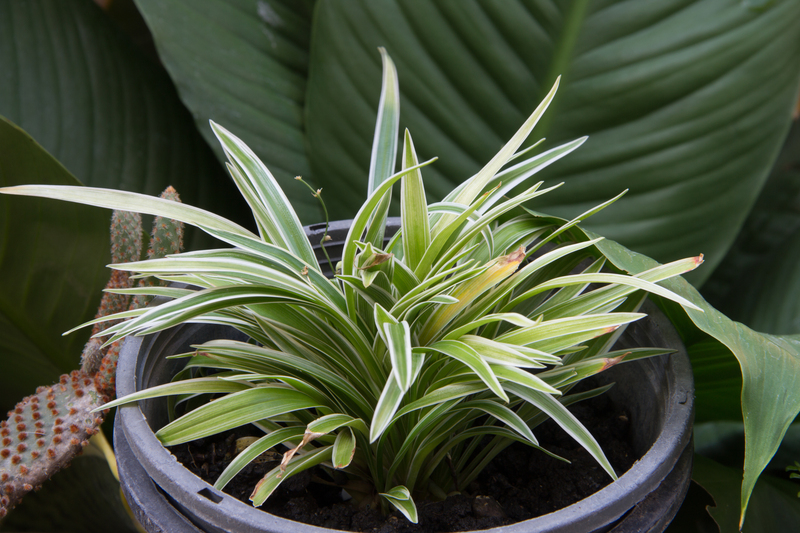
Reach New Heights in Outdoor Privacy with Carefully Curated Tall-Potted Plants
Reach New Heights in Outdoor Privacy with Carefully Curated Tall-Potted Plants. If you've ever sat on a balcony or patio and felt a little too on display, you're not alone. Urban life is vibrant, but it's also, well, visible. The good news? You can craft a lush, living screen that softens noise, blocks views, and turns any exposed space into a calm, secluded retreat--without building walls or applying for planning permission. Tall potted plants for privacy are fast, elegant, and endlessly customisable. And they smell nicer than fencing. Obviously.
In this expert guide, we'll go deep: plant selection, container sizing, wind-proofing, irrigation, UK legal considerations, and real examples from tight London terraces to breezy coastal balconies. You'll get practical steps, insider tricks, and a clear, confidence-boosting plan to make your outdoor area feel like yours again. Clean, clear, calm. That's the goal.
Table of Contents
- Why This Topic Matters
- Key Benefits
- Step-by-Step Guidance
- Expert Tips
- Common Mistakes to Avoid
- Case Study or Real-World Example
- Tools, Resources & Recommendations
- Law, Compliance or Industry Standards (UK-focused)
- Checklist
- Conclusion with CTA
- FAQ
Why This Topic Matters
Privacy isn't a luxury; it's a lifeline. Especially outdoors, where we recharge and reconnect with what's simple--fresh air, birdsong, the soft sway of green leaves. When your garden or balcony is overlooked, your time outside can feel performative rather than restorative. To be fair, even the loveliest terrace loses its glow if every neighbour's window points at your chair.
Here's the quiet revolution: you can Reach New Heights in Outdoor Privacy with Carefully Curated Tall-Potted Plants that are movable, modular, and instantly uplift your space. Instead of waiting months for a fence application, you can slip into the nursery at the weekend, choose handsome planters, and come home to instant screening. It's not magic; it's horticulture with a little design sense.
We've designed dozens of London rooftops and small courtyards (the ones wedged between brick walls where the wind tunnels down). In our experience, the right container mix--evergreen backbone, deciduous highlights, seasonal flowers--changes the mood at first glance. And the sound: it was raining hard outside that day, and the bamboo's rustle practically drowned the street. You feel tucked in and, crucially, at ease.
Key Benefits
Choosing tall potted plants for privacy isn't just about "hiding." It's about elevating the experience of being outside. The benefits stack up quickly:
- Immediate screening: Mature containers provide coverage on day one--no long wait for hedges to fill in.
- Flexible layout: Move, regroup, or rotate planters as your needs change or as the sun shifts over the year.
- Design control: Combine heights, textures, and colours for a layered look that beats plain timber panels.
- Wind tempering: Dense foliage and staggered placement can reduce gusts, making balconies more comfortable.
- Noise softening: Leaves, stems, and soil subtly absorb and diffuse urban sounds.
- Wildlife value: Berries, flowers, and shelter encourage pollinators and small birds, even in the city.
- Low-commitment infrastructure: No foundations, minimal tools, less red tape. If you move, take them with you.
- Legal safety: In many UK scenarios, tall planters avoid boundary disputes triggered by fixed structural screens--useful and diplomatic.
And there's the spirit of it: a living screen feels softer, kinder, more neighbourly. It's easy to be proud of.
Step-by-Step Guidance
Below is the proven process we use to help clients Reach New Heights in Outdoor Privacy with Carefully Curated Tall-Potted Plants. You can follow it exactly or tweak to suit your space.
1) Map Your Sightlines and Microclimate
- Identify problem angles: Stand where you sit most often. Note where you feel watched--upwards windows, side terraces, higher decks.
- Track sun and shade: Morning vs afternoon sun, summer vs winter angles. Photograph the space at 10am, 1pm, 4pm to spot patterns.
- Assess wind: Balconies above the 3rd floor often face stronger gusts; inner courtyards can be still but humid. Wind influences plant choice and pot stability.
- Measure thoroughly: Length, width, height restrictions (e.g., under eaves). Note any weight limits in lease documents for roof terraces.
Micro moment: a client in Walthamstow realised the "privacy problem" was just one oblique angle from a stairwell window. We fixed it with two tall bay laurel columns in a single trough. Simple. Done.
2) Choose the Right Containers
- Material: Fibreglass/GRP is light and strong; corten steel is heavy, handsome, and stable; high-density polyethylene (HDPE) is light and durable. Terracotta is lovely but dries quickly and can crack in frost.
- Size: For tall screens, aim for a minimum internal depth of 35-45 cm and width 35-50 cm per plant. Troughs of 80-120 cm length work brilliantly for grouped screening.
- Drainage: Ensure generous drainage holes plus a raised pot-feet or sled bases so water escapes. Use saucers sparingly outdoors; better to let water run.
- Weight & safety: On balconies, check load-bearing capacity. Consider lightweight media blends to reduce overall weight without starving roots.
Pro note: For exposed balconies, a heavier planter base or discreet ballast is your friend. Wind + tall foliage + shallow, lightweight pots = tip risk. Not fun.
3) Curate Your Plant Palette (By Light and Privacy Goals)
Ever wondered why some screens look lush year-round while others turn patchy? Plant choice. Start with evergreen structure, then layer in seasonal colour and movement.
Evergreen backbone for privacy (UK-suited):
- Phyllostachys aurea or Fargesia robusta (clumping bamboo): Fast screening, beautiful rustle. Choose clumping varieties; always use strong containers and root barriers inside troughs if unsure.
- Prunus laurocerasus 'Genolia' (columnar laurel): Slim footprint, dense leaves, excellent year-round screen.
- Griselinia littoralis: Glossy, lime-green leaves, great for coastal wind, quick-growing in containers.
- Elaeagnus x ebbingei: Tough, salt- and wind-tolerant, subtle fragrant flowers in autumn.
- Taxus baccata (yew) topiary columns: Formal, slow but dignified; superb in classic schemes.
- Trachycarpus fortunei (windmill palm): For height and drama; underplant to fill gaps.
Deciduous accents and seasonal interest:
- Acer palmatum (Japanese maple): Delicate texture, fiery autumn colour--works beautifully as a focal point with evergreen flankers.
- Cotinus coggygria (smoke bush): Clouds of 'smoke' in summer, rich foliage tones.
- Hydrangea paniculata: Huge flower panicles, great in part shade; deadhead in late winter.
Climbers on freestanding trellis (planter-integrated):
- Trachelospermum jasminoides (star jasmine): Evergreen, intensely fragrant white flowers in summer, tidy habit.
- Clematis armandii: Evergreen, early spring bloom, quick cover--needs strong support.
- Passiflora caerulea (passion flower): Semi-evergreen in mild spots; exotic flowers, needs sun.
Grasses for movement and sound: Miscanthus, Calamagrostis 'Karl Foerster', and Stipa gigantea add height, sway, and a gentle hush that quiets the day. Magical at golden hour.
Important: If you want to truly Reach New Heights in Outdoor Privacy with Carefully Curated Tall-Potted Plants, consider planting in layers--tall structural evergreens at the back, mid-height shrubs in the middle, and trailing or tufting plants at the front to soften edges.
4) Potting Mix and Planting Method
- Use a high-quality, peat-free compost blended with bark fines for structure and 10-20% horticultural grit or perlite for improved drainage and aeration. For woody evergreens, add some John Innes No. 3 for weight and slow nutrient release.
- Pre-soak root balls for 15-20 minutes if dry. Tease roots lightly to encourage outward growth.
- Layer a mesh over drainage holes to prevent media loss, add 3-5 cm of coarse gravel, then your compost blend.
- Plant at the right depth: Keep the root collar level with the finished soil surface. Gently firm, water thoroughly.
- Mulch 3-5 cm with bark chips or decorative gravel to reduce evaporation and weeds.
It's a small thing, but you'll notice: that first deep watering, the compost scent, the way the leaves perk up. Feels like progress.
5) Irrigation and Ongoing Watering
- Drip irrigation on a timer is ideal for consistent moisture, especially on holiday weeks or hot spells.
- Manual watering: In summer, large containers may need water every 1-3 days; in winter, reduce drastically and avoid waterlogging.
- Moisture meters help avoid guesswork. If in doubt, probe deeper; the surface can lie.
Pro tip: Group containers so you can run one feed line. It's tidy and saves faff.
6) Placement for Maximum Screening
- Stagger heights: A zigzag line breaks sightlines better than a straight row.
- Target angles: Place the tallest units where lines of sight are worst--often corners or raised thresholds.
- Mind access: Leave room for doors, storage chests, or a barbecue path. You'll thank yourself later.
- Consider light spill: Don't block all sun--frame views and let dappled light through if possible. It's kinder to the plants and to you.
7) Feeding, Pruning, and Refreshing
- Feed: Use a slow-release fertiliser in spring; top-up with liquid feed during peak growth.
- Prune: Lightly shape evergreens to maintain density; remove dead or crossing stems. For bamboos, thin older culms for airflow and tidy looks.
- Refresh soil: Annually scrape and replace top 5-10 cm with fresh compost. Repot every 2-4 years as needed.
- Winter care: Raise pots on feet, avoid waterlogging, and wrap sensitive plants in severe cold snaps.
One January morning, frost dusted the jasmine leaves like icing. Quick fleece wrap, morning sun, and it bounced back. Plants are resilient. So are you.
Expert Tips
- Mix leaf sizes: Fine-textured bamboo + broadleaf laurel = visual depth that screens better than a single texture wall.
- Mind the wind tunnel: On high balconies, a solid, wind-permeable mix (grasses + clumping bamboo) fares better than top-heavy shrubs.
- Use planter-integrated trellis: Choose powder-coated, rust-proof panels that attach to the container--keeps things stable and elegant.
- Think scent zones: Star jasmine near seating, rosemary near the grill, lavender at the entry. It's subtle, and it's lovely at dusk.
- Play with rhythm: Alternate heights and species in repeating patterns for a designed feel without fuss.
- Borrow the light: Up-light a specimen plant for evening privacy and ambience; low-glare warm LEDs work wonders.
- Weight strategy: In exposed spots, opt for heavier planters (corten/stone) or hidden ballast. Safety first, always.
- Test layouts: Place empty planters or boxes to mock the line before you plant. Cheaper than re-potting, trust me.
Ever tried clearing a room and found yourself keeping everything? Same with plant choices. Edit, then edit again. The right few do far more than the wrong many.
Common Mistakes to Avoid
- Undersized planters: Roots need room. Small pots dry out fast, topple easily, and stunt growth.
- Choosing running bamboo without containment: In-ground it's chaos; in pots, it's okay but still pick clumping types where possible.
- No drainage: Blocked holes = root rot. Use mesh, feet, and a coarse base layer.
- Overwatering in winter: Dormant plants sip water. Keep soil barely moist, not soggy.
- Ignoring weight limits on balconies: Always check. If in doubt, lighten the mix and stick with fibreglass troughs.
- One-species screens: If pests or a hard winter hits, your whole screen suffers. Mix species for resilience.
- Blocking all light: Deep shade can make a space feel cramped. Use dappled screens unless you truly need a full blackout.
- Skipping maintenance: A quick monthly trim and tidy keeps screens dense and chic.
Yeah, we've all been there--bought the pretty pots, forgot the saucers, then chased water across the decking in a panic. Happens once.
Case Study or Real-World Example
Project: Narrow Brixton Terrace (4.2 m x 1.6 m)
Brief: Create privacy from two overlooking flats and a stairwell, keep walk-through access, and add a touch of scent. Budget mid-range; maintenance low. The client hosts Sunday brunch, rain or shine.
Plan:
- Three fibreglass troughs (100 x 40 x 40 cm) along the outer edge--wind-exposed zone.
- Planting mix: 2 troughs with Fargesia robusta (clumping bamboo) and underplanted Heuchera 'Obsidian' and Carex; 1 trough with two Prunus laurocerasus 'Genolia' columns flanking Trachelospermum jasminoides on integrated trellis.
- Drip line on a battery timer; up-lights (warm 2700K) for evening ambience.
Outcome: Instant 1.8-2.2 m of green screening. The bamboo softened the wind, jasmine perfumed evening meals, and the laurel columns blocked the precise neighbour sightline. The client said, "I finally ate breakfast in my dressing gown. Bliss." You could almost smell the coffee.
Tools, Resources & Recommendations
We've grouped these by "what actually makes a difference" so you're not lost in a shopping list.
- Planters: Lightweight fibreglass/GRP for balconies; corten steel or concrete for ground-level stability. Look for UV-resistant finishes and frost-proof construction.
- Soil & amendments: Peat-free compost, John Innes No. 3 for woody plants, grit/perlite for drainage, bark chips for mulch.
- Irrigation: Simple drip kit with pressure reducer and timer. If water access is tricky, consider a reservoir planter or a rechargeable pump system.
- Supports: Planter-integrated trellis panels, stainless fixings, and soft ties to protect stems.
- Tools: Bypass secateurs, folding pruning saw, trowel, watering wand, moisture meter, pot feet or risers.
- Mobility: Heavy-duty plant caddies/trolleys for occasional rearrangement--especially helpful on rooftops.
- Reference resources: Royal Horticultural Society (RHS) advice pages; local garden centres for microclimate-specific recommendations; British Standards for soils (BS 3882) and tree work guidance (BS 3998) when in doubt on pruning practice.
Truth be told, the moisture meter is the unsung hero. Cuts watering mishaps by half, easily.
Law, Compliance or Industry Standards (UK-focused)
This section isn't scary--promise. But it matters. Especially in London and other dense areas.
- High Hedges legislation: Under Part 8 of the Anti-social Behaviour Act 2003, councils can act on complaints about evergreen or semi-evergreen hedges over 2 metres that adversely affect neighbours. While potted screens aren't "hedges" in the classic sense, a continuous evergreen wall could still invite complaints. Aim for considerate heights and mixed planting.
- Right to Light (common law): Long-standing windows may have a protected right to light. Avoid placing large, permanent structures that significantly reduce light. Plants in movable containers are typically more flexible and defensible--but be courteous.
- Planning permission: Freestanding planters and trellis integrated into planters rarely require permission, but fixed screens, pergolas, or boundary changes can. Always check local guidance if you're going tall or attaching to buildings.
- Leasehold/Freehold rules: Many flats have clauses about balcony loads, waterproofing, and visible changes. Confirm weight limits and avoid drilling into waterproof membranes.
- Wildlife protections: The Wildlife and Countryside Act 1981 protects nesting birds. Avoid heavy pruning or disturbing nests during nesting season (generally March-August).
- Invasive species: Species like Japanese knotweed are controlled (Schedule 9). Bamboo isn't currently listed, but some councils warn about invasive running varieties. Use clumping types and robust containers, and be a good neighbour.
- Health & Safety: Manual handling--plan heavy lifts, use caddies, don't overreach on ladders when pruning. It sounds obvious until it isn't.
Bottom line: respectful design avoids most hassles. Screen smartly, not aggressively.
Checklist
Print this, stick it to the fridge, and you'll stay on track.
- Measure space, note sightlines, check wind and sun.
- Confirm any terrace weight limits and lease rules.
- Select planters: size, material, drainage, stability.
- Choose evergreen backbone + seasonal accents.
- Buy peat-free compost, grit/perlite, mulch, slow-release feed.
- Install drip irrigation with timer (or plan a watering routine).
- Plant correctly: depth, tease roots, water in, mulch.
- Place in staggered formation targeting worst angles.
- Set a simple maintenance calendar: water, feed, prune, refresh soil.
- Sense-check heights relative to neighbours--be considerate.
Small steps, big feel-good. You'll see why.
Conclusion with CTA
Privacy outside changes how you live inside. With the right planters, the right plants, and a few clever tweaks, you can Reach New Heights in Outdoor Privacy with Carefully Curated Tall-Potted Plants--creating a personal sanctuary that's lush, legal, and low-fuss. You'll sense it the first evening you sit down: a softer soundscape, kinder light, and that little sigh your shoulders make when they finally drop.
Get a free quote today and see how much you can save.
Take your time, enjoy the process, and let your space breathe again. You deserve a quiet corner in a noisy world.
FAQ
What are the best tall-potted plants for privacy in the UK?
Top picks include clumping bamboos (Fargesia), columnar laurels (Prunus 'Genolia'), Griselinia, Elaeagnus, and star jasmine on trellis. Mix evergreens with accents like hydrangea or Japanese maple for year-round interest.
How tall should my planters be for effective screening?
For most balconies and patios, planters with 35-45 cm internal depth and similar width provide stable root volume. Combined with 1.5-2.5 m plants, you'll achieve robust privacy.
Will tall planters blow over on a windy balcony?
They can if undersized or too light. Choose heavier materials (corten/concrete) or add ballast. Opt for fibreglass with wider bases and group containers to reduce wind exposure. Clumping bamboo and grasses handle wind movement well.
Do I need planning permission for planter-based screens?
Usually not for movable planters and integrated trellis. Fixed structures attached to buildings may require permission. Always check local guidance and any lease conditions.
How often should I water tall potted privacy plants?
In summer, every 1-3 days depending on exposure and pot size. In winter, far less--keep soil just moist. Drip irrigation on a timer keeps things consistent, especially during heatwaves or holidays.
Is bamboo a bad idea for privacy screens?
Not if you choose the right type. Clumping bamboos like Fargesia are well-behaved and excellent in containers. Avoid running species unless you're very confident about containment--pots help, but caution is wise.
What soil mix works best in large planters?
A peat-free compost blended with 10-20% grit or perlite for drainage. Add John Innes No. 3 for weight and stability in woody evergreens, plus a slow-release fertiliser in spring.
How do I maintain year-round privacy with plants?
Use a backbone of evergreens (laurel, Griselinia, star jasmine) and weave in deciduous structure for seasonal interest. Light pruning keeps evergreen screens dense and effective in winter.
Can I move with my planters if I rent?
Yes--one of the biggest advantages. Choose manageable sizes or use plant caddies. Confirm any building rules about balcony loads and avoid drilling into waterproof membranes.
Will tall planters damage my decking or roof?
They can if water pools. Ensure good drainage, use pot feet, and distribute weight with slabs or trays where appropriate. Check weight limits and waterproofing details in lease documents.
What if neighbours complain about lost light?
Keep designs considerate. Use mixed planting with dappled screens rather than solid evergreen walls. Because containers are movable, you can adjust positions or reduce heights to maintain good relations.
How quickly can I achieve privacy with tall-potted plants?
Instantly with mature specimens. A weekend project can deliver meaningful screening on day one. Plants will knit and densify over the first season with proper care.
What's the easiest scented plant for balcony privacy?
Star jasmine (Trachelospermum jasminoides). It's evergreen, fragrant, tidy, and happy on a sturdy planter trellis. Place it near seating for maximum impact.
Do I need to repot tall privacy plants?
Eventually, yes. Refresh the top 5-10 cm of compost annually and fully repot every 2-4 years depending on growth. Trim roots lightly if pot-bound and step up container size if needed.
Any low-maintenance options for very busy schedules?
Go for hardy evergreens like Elaeagnus or Griselinia in large troughs with drip irrigation and mulch. Add one or two statement grasses for movement. Minimal fuss, maximum calm.
If you take nothing else from this: plan thoughtfully, plant generously, and be kind to the wind.