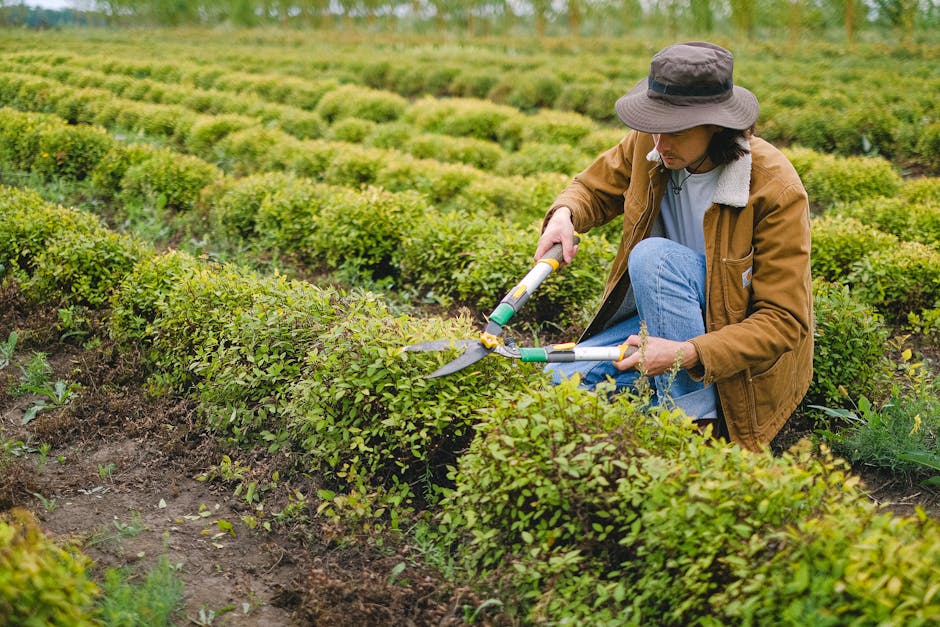
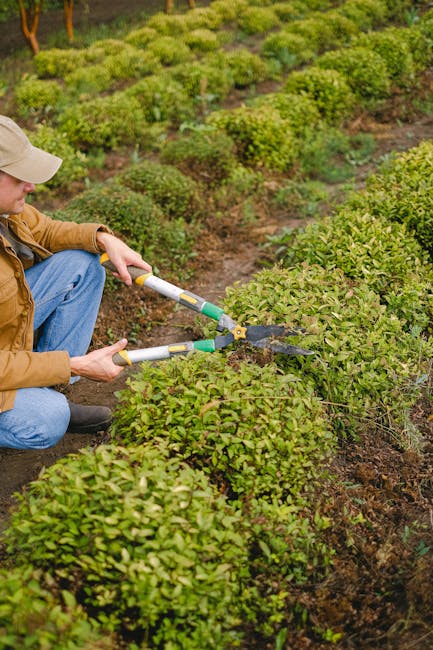
Beginner garden pruning guide for common British shrubs
If you have ever stood in the garden with a pair of secateurs in your hand and thought, "Where on earth do I start?", you are in the right place. This beginner garden pruning guide for common British shrubs is designed to take the nerves out of the job and replace them with a simple, sensible routine. Pruning does not need to be complicated. In fact, for many common UK shrubs, a light, well-timed trim is enough to keep them tidy, healthy, and flowering properly.
The trick is knowing which shrub you are dealing with, when to cut, and how much to remove. Get that right and the whole garden looks calmer, fresher, and a bit more cared for. Get it wrong and, well, you can spend a season waiting for flowers that never quite arrive. Let's keep it straightforward.
This guide covers the practical basics: why pruning matters, how it works, which common British shrubs respond well to beginner-friendly pruning, the safest tools to use, and the mistakes that catch people out most often. There is also a checklist, a comparison table, and a real-world example so you can put the advice into action without second-guessing yourself.
Why pruning matters
Pruning is one of those gardening tasks that looks more dramatic than it really is. At its simplest, it is the controlled removal of dead, damaged, crowded, or awkward growth so the plant can focus its energy in the right places. For common British shrubs, that usually means keeping them healthy, encouraging flowers, and preventing them from becoming woody, leggy, or sprawling across paths.
In a UK garden, shrubs deal with a lot: damp winters, sudden cold snaps, wind, heavy rain, and then a burst of growth in spring. Without a bit of pruning, even a well-behaved shrub can turn into a bit of a monster. Not a bad monster, just a shapeless one. The sort that eats light from neighbouring plants and makes the whole border feel tired.
Pruning also helps with airflow through the plant. That matters more than beginners often realise, because dense, congested growth can hold onto moisture and create conditions where disease is more likely. You do not need to become obsessive about it. Just tidy, selective cuts at the right time can make a big difference.
If you are already maintaining other parts of the garden, such as borders, hedges, or lawns, pruning fits naturally into a wider routine. It sits neatly alongside regular upkeep like garden maintenance and, for larger seasonal clear-outs, garden clearance. Truth be told, a garden often looks twice as good after these jobs are done together.
How pruning works on common shrubs
Different shrubs respond to pruning in different ways, but the basic principle is the same: cut with a purpose. You are not just shortening stems because they look long. You are choosing where the plant should redirect its growth.
Most beginner-friendly pruning falls into one of four categories:
- Deadheading - removing spent flowers so the plant does not waste energy making seeds.
- Light shaping - tidying up wayward shoots to keep a shrub compact.
- Thinning - removing a few stems from inside the plant to let in light and air.
- Rejuvenation pruning - reducing old growth on overgrown shrubs, usually in stages rather than all at once.
The biggest beginner mistake is confusing a flowering shrub with a hedge. Some shrubs, such as lavender or buddleia, can be cut back fairly hard at the right time. Others, such as spring-flowering shrubs, should be pruned after they bloom, otherwise you remove the flower buds before they even appear. Annoying, yes. Common, very.
A good rule of thumb is to ask: does this shrub flower on old wood or new wood? Old wood means growth made the previous year or earlier. New wood means the current season's growth. If it flowers on old wood, prune after flowering. If it flowers on new wood, pruning in late winter or early spring is often fine. That one distinction solves a lot of beginner confusion.
For more complex or taller shrubs, especially where branches are thick or access is awkward, it can be sensible to build pruning into broader landscape work rather than trying to force it on a wet Saturday morning. If the job starts feeling bigger than expected, the wider landscaping and landscape gardening services on the site may be useful to explore.
Key benefits and practical advantages
There is a reason experienced gardeners keep pruning on the calendar. It pays you back in a few different ways.
- Better flowering - many shrubs bloom more freely after old or weak growth is removed.
- Healthier structure - pruning encourages a strong shape rather than a cluttered tangle.
- More light and airflow - this helps reduce damp, congested growth.
- Safer movement around the garden - less obstruction near paths, steps, and entrances.
- Neater appearance - a tidy shrub lifts the whole border, even if everything else is still a bit in progress.
- Longer plant life - regular, sensible pruning can help shrubs stay productive for years.
There is also a practical benefit that gets overlooked: pruning makes future maintenance easier. A shrub that is lightly shaped each year is far easier to manage than one left alone for three or four seasons. The first is a quick tidy. The second becomes a small project, and sometimes a bit of a battle.
Expert summary: For beginners, the safest pruning strategy is usually "less, but more often." Remove dead and crowded growth first, then shape lightly. If a shrub looks like it needs a hard reset, pause and check whether it should be pruned after flowering or renewed in stages.
Who this is for and when it makes sense
This guide is for homeowners, renters with garden responsibility, new gardeners, and anyone who has inherited a mixed British border and wants to make sense of it without overdoing things. If you can identify a shrub by sight but still feel uncertain about cutting it, you are exactly the audience.
It also makes sense if you are dealing with a garden that has become slightly unruly after winter. Maybe the box or choisya has pushed out long shoots. Maybe the forsythia has finished flowering and needs a gentle tidy. Or maybe the hydrangea is looking tired and floppy after rain. These are normal, everyday garden moments. Nothing dramatic.
Here are a few situations where beginner pruning is especially useful:
- the shrub has become too wide for the border
- old stems are crossing in the middle
- flowering has reduced year by year
- the plant looks woody at the base
- branches are touching walls, windows, or paths
- the garden needs a tidier look before spring or autumn
If the shrubs are part of a bigger garden refresh, you may also find support from garden maintenance useful, especially if pruning is only one piece of the job. And if the area around the shrubs is cluttered with old cuttings or general waste, garden clearance can save you a lot of back-and-forth with the compost bin.
Step-by-step guidance
Here is the beginner-friendly version. No drama, no guesswork.
1. Identify the shrub and its flowering habit
Before cutting anything, work out what kind of shrub you have. Spring-flowering shrubs usually set buds on old wood, so they should be pruned after flowering. Summer-flowering shrubs often flower on new growth, so they can usually be cut back earlier in the year. If you are unsure, do less rather than more. It is a safe default.
2. Check the plant for dead, damaged, or diseased wood
Start with the obvious. Dead stems, broken branches, and anything clearly damaged should come out first. Snip back to healthy tissue, or remove the stem at its base if that makes more sense. If a branch is diseased, clean your tools afterwards. Nothing fancy, just sensible hygiene.
3. Remove crossing and inward-growing stems
Look into the centre of the shrub. If stems are rubbing together, crossing, or growing inward, remove the weaker or awkward ones. This opens the plant up and reduces congestion. You will often notice the shrub immediately looks more balanced even before you shape the outside.
4. Shorten long, wayward shoots
Next, trim the longest shoots back to a side bud or a natural fork. Try to keep the shape even and avoid creating a flat-top effect unless the shrub is being used as a more formal feature. A slightly rounded, natural shape is usually best for beginners.
5. Step back and check the outline
This sounds obvious, but people often forget it. Step back every few cuts. Look at the whole plant from a distance. Is one side heavier? Have you cut too much from the top? You can always take a little more off. You cannot glue it back on. Gardening is rude like that.
6. Clean up all clippings
Do not leave cuttings under the shrub. They trap moisture and make the border look untidy. Use them for compost if suitable, or gather them into a green waste bag. If the job turns into a much bigger tidy-up than expected, that is where a broader service like garden clearance can be a practical fallback.
7. Water if needed and monitor recovery
Most shrubs do not need babying after a light prune, but in dry weather a watering can help. Then keep an eye on new shoots over the next few weeks. You are looking for balanced growth, not an explosive rush that takes the shrub back to square one.
| Shrub type | Best pruning timing | Beginner approach |
|---|---|---|
| Spring-flowering shrubs | After flowering | Lightly shorten spent stems and remove one or two old shoots |
| Summer-flowering shrubs | Late winter to early spring | Cut back to encourage fresh growth |
| Evergreen shrubs | Spring or after flowering, depending on species | Shape gently, avoid cutting into bare old wood where possible |
| Deciduous shrubs | Late winter or after flowering, depending on bloom time | Thin, tidy, and reduce overcrowding |
Expert tips for better results
A few small habits make a big difference when you are learning to prune shrubs in a British garden.
- Prune on a dry day if possible. Wet plants are harder to read, and cuts heal better when foliage is not soaked.
- Use the right blade for the size of stem. Secateurs for small stems, loppers for thicker ones. Don't wrestle the plant with blunt tools. It never ends well.
- Cut just above an outward-facing bud. This encourages growth away from the centre and helps the plant keep an open shape.
- Take a little at a time. Beginners usually cut too much, then panic. Small corrections are safer and usually prettier too.
- Know when not to prune. If a shrub is stressed by frost, drought, or recent planting, give it time to settle.
- Watch for flowering wood. If next year's flowers are already set, cutting them off now may mean no display later.
One practical tip from real gardens: keep a notebook or even just a phone note with the shrub names and the month you pruned them. Sounds a bit keen, I know, but it removes a lot of guesswork next year. A tiny record can save a big headache.
And if your garden includes bigger hedge lines or taller screening plants, there is a natural overlap with hedge trimming. The principle is similar, though hedges are usually managed more formally than shrubs. Different job, same need for timing and restraint.
Common mistakes to avoid
Most pruning mistakes are not catastrophic. That is the good news. They are usually just annoying, or they delay flowers for a season. Still, a few errors come up again and again.
- Pruning at the wrong time - the classic mistake. Especially with spring-flowering shrubs.
- Shearing everything into a shape - fine for some formal hedges, less ideal for many shrubs.
- Removing too much at once - hard pruning can shock a plant if it is not suited to it.
- Leaving stubs - these look messy and can die back.
- Using dirty or blunt tools - rough cuts are slower to recover and less precise.
- Ignoring the base of the plant - many shrubs need thinning from the centre, not just trimming the outside.
The other mistake, and this one is very human, is not pruning at all because you are worried about getting it wrong. Better a light, careful cut than years of avoidance. Most shrubs are more forgiving than people think.
Tools, resources and recommendations
You do not need a shed full of equipment to prune shrubs properly. A modest, well-kept kit is enough for most beginner jobs.
- Bypass secateurs - best for clean cuts on live stems.
- Loppers - useful for thicker branches that secateurs cannot manage comfortably.
- Pruning saw - for mature shrubs with woody stems.
- Gloves - not glamorous, but worth it for thorny or rough-stemmed shrubs.
- Bucket, trug, or tarp - makes collecting cuttings much easier.
- Disinfectant or cleaning wipe - helpful if you suspect disease or have moved between plants.
A good pair of secateurs is probably the best first purchase. If they feel awkward in your hand, you will avoid using them properly. Comfort matters more than people expect. You want a tool that disappears in use, not one that reminds you of itself every ten seconds.
For bigger jobs that involve heavy lifting, poor access, or a need to clear away a lot of waste, it may be smarter to combine pruning with other garden work. If you are weighing up broader improvements, services overview is a useful starting point, and pricing and quotes can help set expectations before you commit.
Law, compliance, standards, or best practice
For most home gardeners, pruning shrubs is a matter of good practice rather than formal regulation. That said, there are a few sensible standards to keep in mind.
First, if a shrub is near a boundary, wall, shared access route, or pavement, avoid letting it obstruct safe passage. Second, be careful when working at height or using ladders. If a shrub has grown into tree-like proportions, it may be better treated as a tree-related task rather than a casual trim. That is especially true where there are overhead lines, unstable ground, or branches that need specialist handling. In those cases, a professional tree service is usually the safer call than improvising.
If you are hiring someone for shrub pruning or related work, it is reasonable to ask about insurance, safety processes, and what happens to the waste. Those are basic trust questions, not awkward ones. The site's insurance and safety page is useful for understanding the sort of reassurance customers often look for, while health and safety policy gives a sense of how safe working practices should be approached.
If plant waste is removed from site, recycling and responsible disposal are also worth asking about. A tidy finish is good, but a considerate one is better. See recycling and sustainability for the wider approach.
Options, methods, or comparison table
Not every shrub needs the same style of pruning. A light comparison helps beginners choose the least risky method.
| Method | Best for | Beginner difficulty | Main risk |
|---|---|---|---|
| Light shaping | Established shrubs that just need tidying | Easy | Doing too little to solve congestion |
| Thinning | Overcrowded shrubs with many stems | Moderate | Removing too many productive shoots |
| Post-flowering prune | Spring-flowering shrubs | Easy to moderate | Cutting off next year's flower buds if timed badly |
| Hard reduction | Very overgrown, suitable shrubs only | Harder | Stress, poor regrowth, or visible bare patches |
For beginners, light shaping and thinning are usually the safest starting points. Hard reduction should be reserved for shrubs that clearly tolerate it, or left to an experienced gardener if you are unsure. That is not being cautious for the sake of it. It is just good judgement.
If the shrubs are part of a larger garden redesign and not just a maintenance task, it may be worth exploring the broader landscape gardening or landscaping options so the pruning work fits the overall layout rather than fighting against it.
Case study or real-world example
Picture a small suburban front garden in late March. A row of mixed shrubs has grown in unevenly after a damp winter: one has long, flopping stems; another is thick in the middle but sparse at the edges; the third is a spring-flowering shrub that has just finished blooming. Nothing dramatic, just one of those gardens that looks slightly tired when the light catches it in the morning.
The homeowner starts with the easiest task: dead wood, broken stems, and a few shoots crossing the centre. That immediately improves airflow. Next, the long, leggy branches are shortened back to side growth rather than hacked off flat. The spring-flowering shrub is only lightly tidied, because a heavier prune would remove the buds set for the next season. The result is not a showroom border, but it feels calmer and better balanced.
What made the difference? Not more effort. Better sequence. The right cuts, in the right place, with a bit of restraint. To be fair, that is most of gardening in one sentence.
By the end, the clippings filled one bag, not three, and the front of the house looked cared for without looking over-managed. That is the sweet spot most beginners are aiming for.
Practical checklist
Use this before you start cutting:
- Have I identified the shrub, or at least the flowering type?
- Do I know whether it flowers on old wood or new wood?
- Are my secateurs clean, sharp, and comfortable?
- Is the weather reasonably dry?
- Have I removed dead, damaged, or diseased stems first?
- Am I thinning the centre, not just trimming the outside?
- Have I stepped back to check the shape more than once?
- Have I avoided removing too much growth in one go?
- Do I know how I will dispose of the clippings?
- If the job looks bigger than expected, should I stop and reassess?
That last one matters. Sometimes the smartest pruning decision is recognising that the job is moving beyond a beginner trim. No shame in that. Gardens can change size quicker than we do.
Get a free quote today and see how much you can save.
Conclusion
Pruning common British shrubs is not about being severe. It is about being attentive. Once you learn the basic pattern-identify, time it correctly, remove the worst growth, and shape lightly-you will start to see shrubs differently. Less as fixed objects, more as living plants that respond to small, steady care.
For beginners, the best approach is almost always modest and consistent. A few careful cuts today can mean better flowers, healthier growth, and less work next season. And that, frankly, is the kind of gardening win people remember when they are standing outside with a mug of tea on a chilly evening, looking at a border that finally feels under control.
Keep it light. Keep it thoughtful. The garden will meet you halfway.
Frequently asked questions
When is the best time to prune common British shrubs?
It depends on the shrub. Spring-flowering shrubs are usually pruned after they bloom, while many summer-flowering shrubs can be pruned in late winter or early spring. If you are unsure, avoid heavy pruning and stick to light tidying until you know the plant better.
How much of a shrub can I safely cut back as a beginner?
For most beginner jobs, remove dead, damaged, and crossing stems first, then take off only a small amount of healthy growth. A cautious 10-20% tidy is often enough for routine maintenance, though the right amount depends on the species and age of the shrub.
What shrubs should I not prune hard?
Some shrubs do not tolerate hard pruning well, especially if they flower on old wood or have very slow regrowth. If a shrub is valuable, mature, or you are not sure of the species, keep the pruning light until you can identify it properly.
Can I prune shrubs in winter in the UK?
Some shrubs can be pruned in winter, especially those that flower on new growth. But winter pruning is not ideal for every plant, and very cold or wet conditions can make the work messier and less precise. On frosty days, it is usually best to wait.
Do I need special tools for shrub pruning?
Not really. Good secateurs, sturdy gloves, and loppers for thicker stems are enough for many garden shrubs. A small pruning saw can help with mature woody stems. Sharp, clean tools matter more than having a lot of them.
Why did my shrub stop flowering after pruning?
The most common reason is timing. If you pruned a shrub that flowers on old wood before it bloomed, you may have removed the flower buds. The plant itself may be fine; it is just waiting until next year to recover its cycle.
Is pruning the same as trimming?
They overlap, but they are not quite the same. Trimming usually means shaping or shortening outer growth, while pruning is more selective and structural, involving the removal of dead, weak, or badly placed stems. Most shrubs benefit from pruning rather than repeated shearing.
How do I know if a shrub needs thinning?
If the centre is crowded, air does not move through the plant, or the inside looks woody and bare while the outside is dense, thinning is probably useful. You want a shrub that lets a bit of light through, not one that feels packed like a broom cupboard.
Can overgrown shrubs be rescued?
Often, yes, but the best method depends on the species and how neglected it has become. Some shrubs can be rejuvenated over two or three seasons. Others are safer to reduce gradually rather than all at once. If in doubt, take the slower route.
Should I fertilise after pruning shrubs?
Sometimes, but not always. A light feed may help if the plant is in poor soil or recovering from a bigger cut, but most healthy shrubs do not need a dramatic response after routine pruning. Water, mulch, and time are often enough.
When should I call in professional help?
If the shrub is very large, difficult to reach, close to boundaries, or you are worried about safety, professional help is a sensible choice. It is also worth getting support if the job has become part of a larger garden tidy-up and you want everything done in one visit.
What should I do with the cuttings after pruning?
Small, healthy clippings can often go into green waste or compost, depending on the plant material. Diseased material should be handled carefully and not mixed into compost unless you are sure it is safe to do so. If there is a lot of waste, collection or clearance may be the easiest option.